How the furniture market cycle creates rodent pressure spikes
Market cycles bring large shifts. Twice a year, stock turns over. Pressure spikes.
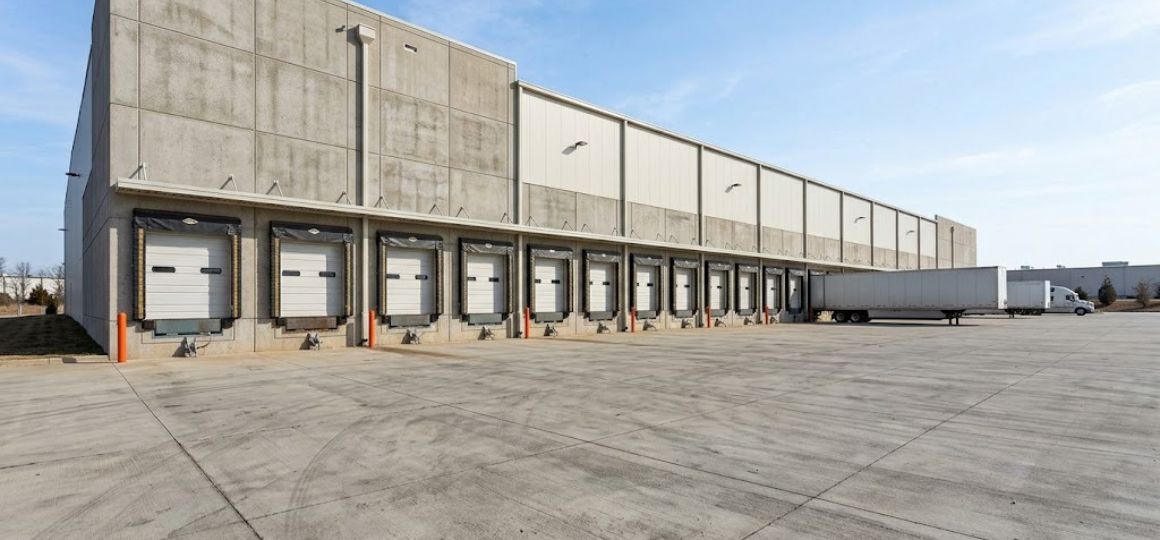
Roof rats live in roof voids. Norway rats live near loading docks. House mice live in offices.
We do warehouse work weekly. Free inspection first. Then a written quote. Standard scope.
Why loading docks are the primary risk point in High Point stores
Most jobs run two visits per month.
Sealing matters most. Dock doors. Roof vents. Soffit gaps. Pipe entries. We seal it all.
Bait stations sit at the edge. Locked. Logged. Checked on a route.
Service records worth keeping at a furniture warehouse
We send a written report after each visit. Useful records include a site map with numbered stations, a log of each visit, and safety data sheets for any product used. Ask for the format your facility or customers require, and we will tell you plainly what we can provide.
The pre-market service visit, what it covers and why the timing matters
For High Point market-district accounts, we plan a pre-market service visit 3-4 weeks before each market opening. Often mid-March for spring market and mid-September for fall market. This timing does three things: it catches any group that set up in the between-market dormancy period before it reaches market-opening density. It refreshes bait in all outside stations to maximum coverage before the peak pressure of setup week, and it produces fresh service records that confirms active pest management was in place before market opening.
The pre-market visit covers a full inside sweep for droppings evidence, nest sites. Visible rodent work in pallet storage and receiving areas. Dock checks for any new gap state that made since the prior visit. Bait station inspections and refill across all outside edge stations. Inside trap-based snap-trap inspections and reset; and records update. The visit is structured to be done before normal market-setup work begins, we plan it to avoid disrupting the receiving teams.
Call (844) 635-0403 to set up a High Point furniture market account with pre-market service visits on both the spring and fall calendar. We know the market district and we'll build a program around the market cycle, not a generic shop template.
Furniture market week, what changes for warehouse rodent protocols
The 8-10 days of furniture market itself (often the third week of April and the third week of October) create running state that warrant adjusting standard rodent-control protocols. Three changes worth noting for warehouse owners:
Increased foot traffic in often-controlled spaces. Buyers, designers, and trade press move through display showrooms and back-of-house warehouse spaces that are often restricted. The standard bait stations and trap placements that work fine when only staff access these spaces can become risk exposures in market. A buyer tripping over a station, a designer snap a station in a published trade article. Owners should walk the public route of their site with their pest control provider 2 weeks before market and find any visible station or trap placements that should be relocated or briefly concealed.
Loading-dock work spikes.The 10 days of market generate the highest sustained loading-dock traffic of the year. Inbound shipments still arriving, done sales being staged for transit, buyers arriving with trucks for immediate pickup. The increased volume means dock doors stay open longer than in normal jobs, creating elevated rodent ingress chance. Standard practice is to add short-term visual checks (no trap start needed. Just looks) at primary dock zones in market for early detection if anything does get in.
Records review by likely buyers. Some large buyers (US-wide retail chains, hotel/hotel trade designers, government buying) include site hygiene records review as part of their vendor OKs process, and market week is when those reviews often happen. Owners who can produce current pest control service logs, EPA-in line station maps, and recent inspections reports without scrambling have a real tough advantage in the moments those documents get requested.
What a well-structured warehouse program covers
A full program for a large warehouse usually has four pieces: an initial site survey with a station map and baseline records, regular station service with a visit log and trend notes, a pre-market visit before each High Point Market opens, and a yearly review of the whole site. The quote depends on the size of the building, the number of docks and stations, and how often visits are needed.
Rodent-proofing guidance for loading docks and vents
The Wildlife Damage Management guide to rodent-proof construction has details that apply directly to warehouse buildings. It recommends vent openings of 1/4 inch by 1/4 inch or smaller, using 1/4-inch galvanized hardware cloth, and notes that many manufacturers do not install vents properly. Wall vents should sit at least 40 inches above ground, fences, or shrubs.
For doors, the guide recommends tight-fitting exterior and interior doors and automatic door-closing devices at loading docks. It also recommends smooth, 24-gauge or heavier galvanized sheet metal for flashing and pipe collars. These are building-design details, but they point to a simple priority for a warehouse owner: the docks and vents are where an inspection should start, and closing gaps there takes pressure off every other part of a rodent program.
Source: Wildlife Damage Management, Rodent-Proof Construction
Related services
For High Point furniture warehouse owners planning defensible programs, the directly applicable services are:
Need help with rodents in Greensboro or Guilford County?
In rodent Control in High Point Furniture Warehouses, The Market Cycle Problem work, free inspections, same-day service where available, written quote before any work starts. Open 24/7.
Call (844) 635-0403